When it comes to heating, ventilation, and air conditioning (HVAC) systems, there are distinct differences between residential and commercial setups. Understanding these differences is crucial whether you’re a homeowner, business owner, or property manager. In this article, we will explore the key distinctions between residential and commercial HVAC systems, from their design and components to their maintenance and installation requirements.
Key Differences Between Residential and Commercial HVAC Systems
While both residential and commercial HVAC systems serve the same basic function—maintaining comfortable indoor temperatures—they differ significantly in terms of size, complexity, and usage. Here are the main differences:
- System Size and Capacity
- Design and Installation
- Complexity and Components
- Maintenance Requirements
- Zoning and Temperature Control
- Regulations and Compliance

Detailed Breakdown of Each Difference
1. System Size and Capacity
One of the most apparent differences between residential and commercial HVAC systems is their size and capacity. Commercial HVAC systems are designed to handle much larger spaces and higher demands than residential systems. This means:
- Higher Capacity: Commercial HVAC systems are built to manage the heating and cooling needs of large buildings, such as offices, warehouses, and retail spaces. They typically have higher tonnage (cooling capacity) compared to residential units, which are designed for smaller spaces like single-family homes.
- Scalability: Commercial systems are often modular, allowing them to be scaled up or down depending on the size of the building and its specific needs. Residential systems, on the other hand, are usually fixed in size and capacity.
For businesses in Union City, NJ, working with a commercial HVAC company Union City, NJ like Platinum HVAC ensures that your system is appropriately sized and capable of meeting your building’s heating and cooling requirements.
2. Design and Installation
The design and installation process for residential and commercial HVAC systems also differ significantly. Commercial systems are typically more complex and require specialized knowledge to install correctly. Key differences include:
- System Layout: Commercial HVAC systems often involve intricate ductwork, multiple zones, and complex ventilation setups to ensure even distribution of air throughout large spaces. Residential systems are generally simpler, with straightforward ductwork and a single zone for the entire home.
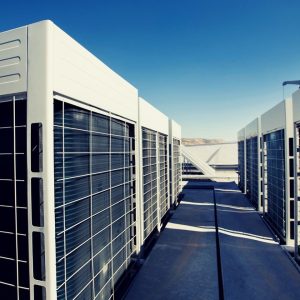
- Installation Location: Residential HVAC units are usually installed in basements, attics, or exterior walls. Commercial systems, on the other hand, are often located on rooftops to save space and reduce noise inside the building.
- Customization: Commercial HVAC systems are often customized to meet the specific needs of a business, considering factors like building layout, occupancy, and usage patterns. Residential systems are more standardized, with fewer customization options.
Because of the complexity involved, it’s essential to hire a professional commercial HVAC company Union City, NJ like Platinum HVAC to ensure proper design and installation of commercial systems.
3. Complexity and Components
The complexity of commercial HVAC systems goes beyond just their size. These systems include a variety of components that are not typically found in residential units, such as:
- Cooling Towers and Chillers: Large commercial buildings often use cooling towers and chillers to manage their cooling needs. These components work together to remove heat from the building and maintain a comfortable indoor temperature.
- Variable Air Volume (VAV) Systems: Commercial HVAC systems frequently use VAV systems to adjust the amount of air distributed to different areas of the building based on demand. This helps optimize energy use and maintain consistent comfort levels.
- Building Automation Systems (BAS): Many commercial HVAC systems are integrated with BAS, which allows for centralized control and monitoring of the system. This level of automation is rarely found in residential systems.
The increased complexity of commercial systems means they require more specialized knowledge and expertise to maintain and repair. For businesses in Union City, NJ, partnering with a commercial HVAC company Union City, NJ like Platinum HVAC ensures that your system is in capable hands.
4. Maintenance Requirements
Maintenance is crucial for the longevity and efficiency of any HVAC system, but the requirements for residential and commercial systems differ in terms of frequency, scope, and complexity:
- Frequency of Maintenance: Commercial HVAC systems typically require more frequent maintenance due to their size, complexity, and the critical role they play in business operations. Residential systems, while still needing regular maintenance, generally require less frequent service.
- Scope of Maintenance: Maintenance for commercial systems involves more detailed inspections and servicing, including checking large-scale components like cooling towers, boilers, and air handlers. Residential maintenance is more straightforward, focusing on cleaning filters, checking refrigerant levels, and inspecting ductwork.
- Cost of Maintenance: Because of the complexity and size of commercial systems, maintenance costs are usually higher compared to residential systems. However, regular maintenance can prevent costly breakdowns and ensure efficient operation.
For businesses looking to maintain their HVAC systems, working with a commercial HVAC company Union City, NJ like Platinum HVAC can help ensure that your system receives the comprehensive care it needs.
5. Zoning and Temperature Control
Zoning and temperature control are essential features of any HVAC system, but they are especially important in commercial settings where different areas of a building may have varying heating and cooling needs:
- Multiple Zones: Commercial HVAC systems are typically designed with multiple zones, allowing for different areas of the building to be heated or cooled independently. This is particularly important in large buildings where different spaces may be used for various purposes.
- Advanced Temperature Control: Commercial systems often include advanced temperature control options, such as programmable thermostats, sensors, and automated controls that adjust the temperature based on occupancy and usage patterns. Residential systems may have zoning options, but they are usually less sophisticated.
- Energy Efficiency: Zoning and advanced temperature control in commercial systems help optimize energy use, reducing costs and improving overall efficiency. Residential systems also benefit from zoning but on a smaller scale.
For businesses in Union City, NJ, that require precise temperature control across multiple zones, partnering with a commercial HVAC company Union City, NJ like Platinum HVAC ensures that your system is designed and maintained for optimal performance.
6. Regulations and Compliance
Commercial HVAC systems must adhere to stricter regulations and compliance standards compared to residential systems. These regulations can include:
- Building Codes: Commercial buildings are subject to more stringent building codes, including requirements for energy efficiency, safety, and ventilation. HVAC systems must meet these codes to ensure the safety and comfort of occupants.
- Environmental Regulations: Commercial HVAC systems are often required to meet specific environmental regulations, such as those related to refrigerants, emissions, and energy use. Compliance with these regulations is critical to avoid fines and ensure sustainable operation.
- Health and Safety Standards: Commercial HVAC systems must also comply with health and safety standards, particularly in settings like hospitals, schools, and food service establishments. These standards ensure that the air quality and temperature control meet the needs of the occupants.
Ensuring compliance with these regulations requires the expertise of a professional commercial HVAC company Union City, NJ like Platinum HVAC. They can help design, install, and maintain systems that meet all necessary standards.
Conclusion
While residential and commercial HVAC systems share the same basic purpose, they differ significantly in size, complexity, design, and maintenance requirements. Understanding these differences is crucial whether you’re managing a home or a business, as it helps you make informed decisions about your HVAC needs.
Commercial HVAC company Union City, NJ services from Platinum HVAC provide the expertise and support you need to keep your building comfortable, efficient, and compliant with all relevant regulations.
Whether you’re installing a new system, upgrading an existing one, or simply looking for ongoing maintenance, Platinum HVAC offers the professional services you need to ensure the long-term success of your commercial HVAC system. Contact them today to learn more about how they can help meet your specific needs.