When it comes to maintaining a comfortable indoor environment, few systems are as vital as your HVAC (Heating, Ventilation, and Air Conditioning) system. But what exactly does HVAC installation entail, and why is it so important? Whether you’re a homeowner looking to replace an old system or a business owner needing a new installation, understanding the process and significance of HVAC installation can help you make informed decisions. In this article, we’ll explore the meaning of HVAC installation, what it involves, and why professional installation is crucial.
What Is HVAC Installation?
HVAC installation refers to the process of setting up a new heating, ventilation, and air conditioning system in a building. This process involves several key steps, including selecting the right system, preparing the site, installing the equipment, and ensuring that everything functions correctly. HVAC installation is not just about placing a unit in a designated spot; it’s about creating an integrated system that efficiently and effectively controls the indoor climate of your home or business.
The installation process varies depending on the type of HVAC system being installed—whether it’s a central air conditioner, a heat pump, a furnace, or a combination of these systems. Each type of system has its own specific requirements and considerations.

The Steps Involved in HVAC Installation
The installation of an HVAC system is a detailed process that requires expertise, precision, and careful planning. Here’s a breakdown of the key steps involved:
- Assessment and Load Calculation
- System Selection
- Site Preparation
- Installation of Components
- System Testing and Calibration
- Final Inspection and Customer Education
Detailed Breakdown of Each Step
1. Assessment and Load Calculation
The first step in any HVAC installation is assessing the building’s heating and cooling needs. This involves:
- Load Calculation: A professional technician will perform a load calculation to determine the appropriate size and capacity of the HVAC system required for your space. This calculation considers factors such as the building’s square footage, insulation levels, number of windows, and local climate conditions.
- Energy Efficiency Considerations: During the assessment, energy efficiency options will also be discussed. Selecting an energy-efficient system can reduce long-term operating costs and minimize environmental impact.
Choosing the right system size is crucial. An oversized or undersized system can lead to inefficiencies, higher energy bills, and potential discomfort. For those in Union City, NJ, seeking professional guidance, HVAC installation services Union City, NJ offered by Platinum HVAC can ensure an accurate assessment and proper system sizing.
2. System Selection
Once the assessment is complete, the next step is selecting the right HVAC system. This decision is based on:
- System Type: Depending on your specific needs, you may choose a central air conditioning system, a heat pump, a furnace, or a combination of these. The choice will depend on factors such as your climate, budget, and energy efficiency goals.
- Brand and Model: With numerous brands and models available, selecting a reliable and efficient system is essential. A professional HVAC company can recommend systems known for their durability, performance, and energy efficiency.
Customization Options: Some systems offer customization options, such as zoning capabilities, programmable thermostats, and air quality enhancements. These features can improve comfort and efficiency.
Selecting the right system is a critical decision that impacts the long-term performance of your HVAC system. Consulting with a trusted provider like HVAC installation services Union City, NJ from Platinum HVAC can help you make an informed choice.
3. Site Preparation
Before the actual installation begins, the site must be prepared to accommodate the new HVAC system. This step involves:
- Removing Old Equipment: If you’re replacing an existing system, the old unit must be safely removed. This includes disconnecting electrical connections, refrigerant lines, and ductwork.
- Making Necessary Modifications: Depending on the new system, modifications to the ductwork, electrical wiring, or structural components may be needed. For example, installing a new central air system might require additional ductwork or upgrading electrical panels.
- Ensuring Proper Ventilation: Proper ventilation is essential for the safe and efficient operation of your HVAC system. This may involve checking and adjusting vents, flues, or exhaust systems.
Site preparation is crucial for a smooth installation process. Ensuring that your home or business is ready for the new system helps avoid delays and potential issues during installation.
4. Installation of Components
The core of the HVAC installation process involves installing the various components of the system. This includes:
- Indoor Unit Installation: For central air systems, the indoor unit, which includes the evaporator coil and blower, is typically installed in a basement, attic, or utility room. For ductless systems, the indoor units are mounted on walls or ceilings in individual rooms.
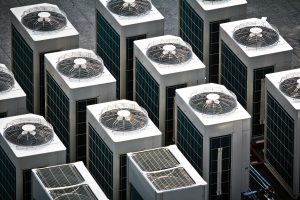
- Outdoor Unit Installation: The outdoor unit, which contains the compressor and condenser coil, is placed on a concrete pad or mounted on the roof. Proper placement is important for optimal airflow and noise reduction.
- Connecting Ductwork: If the system uses ductwork, the ducts will be connected to the indoor unit. This includes sealing any leaks and ensuring proper insulation.
- Electrical and Refrigerant Connections: The system’s electrical components are connected, and the refrigerant lines are run between the indoor and outdoor units. Ensuring these connections are done correctly is essential for the system’s efficiency and safety.
The installation of components requires precision and expertise to ensure everything is connected and functioning correctly. For those in Union City, NJ, HVAC installation services Union City, NJ from Platinum HVAC guarantee a professional and efficient installation process.
5. System Testing and Calibration
Once the system is installed, it must be thoroughly tested and calibrated to ensure optimal performance. This step involves:
- System Testing: The technician will run the system through a full heating and cooling cycle to check for any issues. This includes verifying that the system is reaching the desired temperature, that airflow is consistent, and that there are no unusual noises or leaks.
- Calibrating the Thermostat: The thermostat is calibrated to ensure accurate temperature readings and efficient operation. This may also involve programming the thermostat for optimal energy use.
- Checking Refrigerant Levels: Proper refrigerant levels are critical for the system’s efficiency. The technician will check and adjust refrigerant levels as needed.
Testing and calibration are crucial to ensure that your HVAC system operates as intended. It’s important to work with professionals who can accurately assess and adjust your system.
6. Final Inspection and Customer Education
The final step in the HVAC installation process is a thorough inspection and customer education. This includes:
- Final Inspection: The technician will perform a final inspection to ensure that all components are correctly installed and that the system meets safety and performance standards.
- Customer Walkthrough: The technician will explain how to operate the system, including how to use the thermostat, change filters, and perform basic maintenance.
- Maintenance Recommendations: To keep your system running efficiently, the technician will provide recommendations for regular maintenance and service schedules.
Customer education is an important part of the installation process, as it empowers you to take care of your new HVAC system and ensure its longevity.
The Importance of Professional HVAC Installation
Professional HVAC installation is essential for several reasons:
- Ensures Proper System Sizing: A professional technician will perform accurate load calculations to ensure your system is the right size for your home or business. An improperly sized system can lead to inefficiencies and increased costs.
- Maximizes Efficiency: Professional installation ensures that all components are properly connected and calibrated, maximizing the system’s efficiency and performance.
- Guarantees Safety: HVAC systems involve complex electrical and refrigerant connections that must be handled carefully. Professional installation ensures these connections are safe and meet all regulatory standards.
- Protects Your Investment: A professionally installed HVAC system is more likely to last longer and require fewer repairs, protecting your investment and providing long-term comfort.
For those in Union City, NJ, choosing HVAC installation services Union City, NJ from a trusted provider like Platinum HVAC ensures that your system is installed correctly and efficiently.
Conclusion
HVAC installation is a critical process that involves much more than just placing a unit in your home or business. From assessing your needs and selecting the right system to preparing the site and performing a final inspection, each step is essential to ensuring your HVAC system operates efficiently and effectively.
For homeowners and business owners in Union City, NJ, HVAC installation services Union City, NJ from Platinum HVAC offer the expertise, precision, and professionalism needed to complete the installation process to the highest standards.