
Choosing the best type of heating for your home is essential for both comfort and energy efficiency. With various options available, selecting the right heating system can seem overwhelming. The best choice for your home depends on several factors, including your climate, budget, and energy efficiency goals. In this article, we’ll explore the most common types of home heating systems, their pros and cons, and which might be the best fit for your needs.
If you’re looking for expert advice or professional installation, heating services Jersey City, NJ from Platinum HVAC can help you determine the best heating solution for your home.

Types of Heating Systems
There are several different types of heating systems available for residential use. Each type has its own advantages and disadvantages, and the right choice will depend on factors like the size of your home, energy sources available, and your budget. Let’s take a closer look at the most popular types of heating systems.
1. Furnaces
Furnaces are one of the most common types of heating systems in the United States. They work by heating air and distributing it throughout your home via a network of ducts. Furnaces can run on electricity, natural gas, oil, or propane, with gas furnaces being the most popular due to their efficiency and relatively low cost of operation.
- Pros:
- Gas furnaces are highly efficient and cost-effective, especially in colder climates.
- Modern furnaces can achieve efficiencies of up to 98%, meaning very little energy is wasted.
- They provide consistent and powerful heat throughout the home.
- Cons:
- Ductwork is required, which can make installation more complex and expensive, especially in older homes without existing ducts.
- Regular maintenance is needed to keep the system running efficiently, including filter changes and annual tune-ups.
For homeowners in areas with colder winters, like Jersey City, a furnace may be the best option. If you’re considering installing or upgrading your furnace, heating services Jersey City, NJ from Platinum HVAC can provide expert guidance and professional installation.
2. Heat Pumps
Heat pumps are a versatile and energy-efficient option for both heating and cooling your home. They work by transferring heat from the outside air or ground into your home during the winter. In the summer, they reverse the process, removing heat from your home to cool it. Heat pumps come in two main types: air-source and geothermal.
- Pros:
- Heat pumps are highly efficient because they move heat rather than generating it, making them a cost-effective option for moderate climates.
- They provide both heating and cooling in one system, reducing the need for separate systems.
- Geothermal heat pumps are extremely efficient and can provide significant savings on energy bills.
- Cons:
- Air-source heat pumps can struggle to provide sufficient heat in very cold climates, requiring a backup heating source.
- Geothermal systems have a higher upfront installation cost, but they pay off over time through energy savings.
If you live in a region with mild winters, a heat pump can be an excellent option. For those in Jersey City, where winters can be harsh, a heat pump paired with a backup heating source may be ideal. Contact heating services Jersey City, NJ from Platinum HVAC to learn more about heat pumps and whether they are a good fit for your home.
3. Boilers
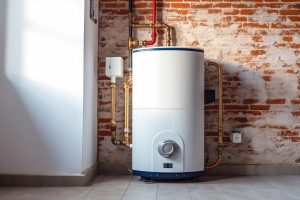
Boilers heat water to produce either hot water or steam, which is then circulated through radiators or radiant floor systems to provide warmth. Boilers can be powered by natural gas, oil, or electricity, and they’re commonly used in older homes or homes with radiant heating systems.
- Pros:
- Boilers provide consistent, even heat that’s less drying than forced air systems.
- Radiant floor heating offers superior comfort and energy efficiency by heating rooms from the ground up.
- Boilers are relatively quiet during operation and don’t require ductwork.
- Cons:
- Installation can be more expensive compared to other heating systems, especially if radiant floor heating is involved.
- Boilers take longer to heat a home compared to furnaces or heat pumps, as water needs to be heated first.
- Repairs can be costly, and regular maintenance is required to ensure efficiency.
If you prefer the comfort of radiant heat and don’t mind the higher upfront costs, a boiler may be a great option for your home. Heating services Jersey City, NJ from Platinum HVAC can help with both boiler installation and maintenance, ensuring your system runs efficiently all winter long.
4. Ductless Mini-Split Systems
Ductless mini-split systems are an excellent option for homes without ductwork or for those who want zoned heating and cooling. These systems consist of an outdoor unit connected to one or more indoor units, which can be placed in different rooms or zones within the house. Mini-splits are often used in conjunction with other heating systems, but they can also provide primary heating in smaller homes or specific areas.
- Pros:
- Ductless mini-splits are highly efficient and offer personalized comfort by allowing different temperatures in each zone or room.
- Installation is relatively simple compared to ducted systems, making them a great option for older homes or homes without existing ductwork.
- They can be used for both heating and cooling, making them a versatile solution.
- Cons:
- While mini-splits are efficient, they can be more expensive to install than a traditional furnace or heat pump system.
- Multiple indoor units may be required to heat or cool an entire home, which can increase costs.
For homes in Jersey City that lack ductwork, or for homeowners looking for a flexible heating solution, a ductless mini-split system is worth considering. Contact heating services Jersey City, NJ at Platinum HVAC to explore whether a mini-split system is the right fit for your home.
5. Radiant Floor Heating
Radiant floor heating is a luxury heating system that distributes heat through pipes or electric cables installed under the floor. The system heats the floor, and the warmth radiates upward, providing a consistent and comfortable heat throughout the room. This type of heating is often used in conjunction with boilers or electric heating systems.
- Pros:
- Radiant floor heating offers unparalleled comfort, as it heats rooms evenly and doesn’t create drafts or dry out the air.
- It’s highly efficient, as heat is directed where it’s needed most (the floor), reducing energy waste.
- This system operates silently and is hidden from view, making it an aesthetically pleasing option.
- Cons:
- The installation process can be costly and disruptive, especially if retrofitting an existing home.
- It takes longer to heat a room compared to systems that use forced air.
Radiant floor heating is ideal for those seeking maximum comfort and energy efficiency, particularly in colder climates.
Factors to Consider When Choosing a Heating System
Now that you’re familiar with the different types of heating systems, how do you decide which one is best for your home? Here are some key factors to consider:
1. Climate
The climate you live in plays a major role in determining the best heating system for your home. If you live in a colder climate, such as Jersey City, a furnace or boiler may be the most efficient option. For milder climates, a heat pump may provide sufficient heating while offering energy savings.
2. Energy Efficiency
If reducing energy costs is a priority, look for systems with high efficiency ratings. Heat pumps and ductless mini-splits tend to be the most energy-efficient options, while gas furnaces with high AFUE (Annual Fuel Utilization Efficiency) ratings can also provide substantial savings on heating bills.
3. Budget
Your budget for installation and long-term operation will also influence your choice. While boilers and radiant floor heating provide excellent comfort, they can be more expensive to install. If upfront cost is a concern, a high-efficiency furnace or heat pump may offer the best balance between cost and performance.
4. Home Size and Layout
The size and layout of your home will determine the type and size of the heating system you need. For large homes, a central furnace or boiler may be more efficient, while smaller homes or homes without ductwork may benefit from a mini-split or radiant system.
 Conclusion
 Conclusion
The best type of heating system for your home depends on a variety of factors, including your climate, energy efficiency goals, budget, and home layout. Whether you choose a furnace, heat pump, boiler, mini-split system, or radiant floor heating, each has its own advantages and is suited to different needs.
For expert advice and professional installation, contact heating services Jersey City, NJ from Platinum HVAC. No matter your heating needs, Platinum HVAC is here to help you stay warm and comfortable through every season!