
When it comes to maintaining a comfortable indoor environment, homeowners often face the decision of whether to install a heat pump or a traditional air conditioner (AC). Both systems have their advantages and disadvantages, and the best choice depends on various factors, including climate, energy efficiency, and budget. In this article, we will explore the differences between heat pumps and air conditioners, their benefits and drawbacks, and why you might choose one over the other. For those in need of heat pump repair in Maplewood, NJ, Platinum HVAC offers professional services to keep your system running efficiently.
Understanding Heat Pumps and Air Conditioners
How Heat Pumps Work
A heat pump is a versatile system that can provide both heating and cooling. It works by transferring heat from one place to another. In the summer, a heat pump extracts heat from the indoor air and releases it outside, functioning like an air conditioner. In the winter, it reverses the process, extracting heat from the outdoor air (even in cold temperatures) and bringing it indoors to heat your home.
How Air Conditioners Work
An air conditioner, on the other hand, is designed solely for cooling. It works by removing heat from the indoor air and expelling it outside. The system uses a refrigerant to absorb heat from the indoor air, which is then compressed and released outside, cooling the indoor space in the process.
Benefits of Heat Pumps
Year-Round Comfort
One of the primary advantages of a heat pump is its ability to provide both heating and cooling, making it a year-round solution for maintaining indoor comfort. This dual functionality can eliminate the need for separate heating and cooling systems, simplifying your home’s HVAC setup.
Energy Efficiency
Heat pumps are known for their energy efficiency, particularly in moderate climates. Because they transfer heat rather than generating it through combustion, they can be more efficient than traditional heating systems. This can lead to lower energy bills and a reduced environmental footprint.
Consistent Temperatures
Heat pumps provide consistent temperatures without the fluctuations that can occur with some heating systems. This ensures a more comfortable living environment, regardless of the season.
Environmentally Friendly
Heat pumps are generally more environmentally friendly than systems that rely on fossil fuels for heating. By using electricity to transfer heat, they produce fewer greenhouse gas emissions, contributing to a greener home.
Long-Term Savings
While the initial cost of a heat pump can be higher than that of an air conditioner, the long-term savings on energy bills can offset this initial investment. Additionally, many regions offer incentives and rebates for installing energy-efficient heat pumps.
Drawbacks of Heat Pumps
Performance in Extreme Cold
One of the main drawbacks of heat pumps is their reduced efficiency in extremely cold temperatures. In areas with harsh winters, a heat pump may require a supplemental heating source to maintain comfortable indoor temperatures.
Higher Initial Cost
The upfront cost of installing a heat pump can be higher than that of an air conditioner. However, this initial investment can be offset by long-term energy savings and incentives.
Maintenance Requirements
Heat pumps may require more frequent maintenance than traditional air conditioners due to their dual functionality. Regular maintenance is essential to keep the system running efficiently and to prevent issues.

Benefits of Air Conditioners
Efficient Cooling
Air conditioners are highly effective at cooling indoor spaces, particularly in hot and humid climates. They are designed specifically for cooling, which allows them to perform this function efficiently.
Lower Initial Cost
The initial cost of installing an air conditioner is typically lower than that of a heat pump. This makes it a more affordable option for homeowners who primarily need cooling.
Simplicity
Air conditioners are simpler systems compared to heat pumps. This simplicity can result in fewer maintenance requirements and potentially lower repair costs.
Drawbacks of Air Conditioners
Limited Functionality
Unlike heat pumps, air conditioners are limited to cooling and cannot provide heating. This means homeowners in colder climates will need a separate heating system, which can complicate the HVAC setup and increase costs.
Higher Energy Bills
Air conditioners can result in higher energy bills, especially in regions with extreme temperatures. Because they are limited to cooling, they do not offer the same energy efficiency benefits as heat pumps.
Environmental Impact
Air conditioners that rely on older refrigerants can have a more significant environmental impact due to higher greenhouse gas emissions. Newer models with eco-friendly refrigerants are available but may come at a higher cost.
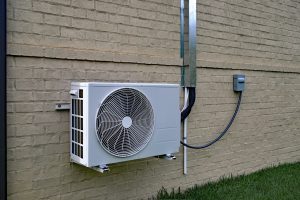
Choosing Between a Heat Pump and an Air Conditioner
The decision between a heat pump and an air conditioner depends on several factors, including your climate, budget, and specific heating and cooling needs.
Climate Considerations
In moderate climates where temperatures do not frequently drop below freezing, a heat pump can be an excellent choice for year-round comfort. In colder climates, an air conditioner paired with a separate heating system, such as a furnace, may be more effective.
Energy Efficiency
If energy efficiency and long-term savings are a priority, a heat pump may be the better option. Heat pumps are generally more energy-efficient than air conditioners, particularly in regions with mild winters.
Budget
For homeowners with a limited budget, the lower initial cost of an air conditioner can be appealing. However, it is essential to consider the long-term operating costs and potential savings associated with a heat pump.
Maintenance and Longevity
Consider the maintenance requirements and expected lifespan of each system. Heat pumps may require more frequent maintenance but can offer longer-term savings. Air conditioners are simpler and may have lower maintenance costs but do not provide heating.
For professional advice and heat pump repair in Maplewood, NJ, Platinum HVAC is here to help. Our experienced technicians can assist you in choosing the best system for your needs and ensure it operates efficiently.
Both heat pumps and air conditioners have their advantages and disadvantages. The best choice for your home depends on various factors, including your climate, budget, and specific heating and cooling needs. Heat pumps offer the benefit of year-round comfort and energy efficiency, making them an excellent choice for moderate climates. Air conditioners, on the other hand, are highly effective at cooling and have a lower initial cost, making them suitable for hot climates.
For those in need of heat pump repair in Maplewood, NJ, contact Platinum HVAC today. Our team of experienced technicians is dedicated to providing top-notch service, ensuring your heat pump or air conditioner operates at peak performance.
Ensure your home remains comfortable year-round with professional heat pump repair in Maplewood, NJ. Contact Platinum HVAC today to schedule a service appointment. Our expert technicians are here to help you with all your heating and cooling needs. Reach out now to experience the benefits of a well-maintained HVAC system.
By choosing Platinum HVAC, you can rest assured that your heating and cooling systems are in good hands. Schedule your service today and enjoy a comfortable and efficient home environment.