
When it comes to managing a business, maintaining a comfortable and safe environment for employees, clients, and customers is essential. An efficient heating, ventilation, and air conditioning (HVAC) system is one of the most important aspects of achieving this. However, just like any other mechanical system, commercial HVAC systems have a finite lifespan. Understanding how long your HVAC system should last and the factors that influence its longevity can help you make informed decisions about maintenance, repairs, and eventual replacement.
In this article, we will explore the typical lifespan of commercial HVAC systems, the factors that affect how long they last, and what you can do to extend their operational life. For expert advice, consider working with a reliable commercial HVAC company Monmouth County, such as Platinum HVAC, to ensure the longevity of your HVAC system.
What Is the Average Lifespan of a Commercial HVAC System?
The lifespan of a commercial HVAC system can vary depending on a variety of factors, including its type, usage, maintenance, and the environment in which it operates. On average, most commercial HVAC systems last between 15 and 25 years. However, this range can differ based on whether the system is regularly maintained or subjected to extreme wear and tear.
1. HVAC Systems in Light Commercial Applications
For small businesses or light commercial spaces, HVAC systems tend to be smaller and more efficient. These units typically last between 15 to 20 years. Systems in small offices or retail spaces with less frequent use often experience fewer issues and require fewer repairs, which can help them reach the upper end of the lifespan range.
2. HVAC Systems in Larger Commercial Buildings
In larger commercial buildings, such as multi-story office buildings, shopping centers, or industrial complexes, HVAC systems are typically more complex and operate for longer hours. In these settings, systems can last 15 to 20 years, but heavy usage and higher demands on cooling and heating can reduce the system’s lifespan.
3. High-Efficiency Units
With advancements in technology, newer high-efficiency HVAC units may last longer than their older counterparts. With the right maintenance, high-efficiency units can sometimes exceed the typical 20-year lifespan, offering improved performance while also saving on energy costs.

Factors That Affect the Lifespan of Commercial HVAC Systems
Several factors can influence how long your commercial HVAC system lasts. Some of the most important factors to consider include:
1. Quality of the HVAC System
The quality of the HVAC system itself plays a significant role in its lifespan. Higher-end systems, built with better materials and advanced technology, tend to last longer than cheaper, lower-quality options. Investing in a reputable HVAC system can lead to fewer repairs and extend the overall lifespan of the unit.
2. Maintenance and Service
Routine maintenance is one of the most critical factors in determining how long an HVAC system will last. Regular maintenance, such as cleaning coils, replacing filters, and checking refrigerant levels, helps to keep the system running efficiently and prevents unnecessary strain on its components. Neglecting regular maintenance can lead to breakdowns and a shorter lifespan for the system.
A commercial HVAC company Monmouth County, like Platinum HVAC, can offer professional maintenance services tailored to your HVAC system’s specific needs. This service will ensure your system stays in top working condition, minimizing the risk of major repairs.
3. Frequency of Use
The more often an HVAC system is used, the faster it will wear out. For commercial buildings with heavy foot traffic or a high occupancy rate, HVAC systems will be working constantly to maintain comfort levels. Continuous operation can cause more wear on components such as motors, compressors, and coils, reducing the system’s overall lifespan. Systems that are used more frequently may require earlier replacement.
4. Environmental Conditions
The environment where the HVAC system is located can also impact its lifespan. For instance, HVAC systems located in areas with high humidity, extreme temperatures, or excessive dirt and debris may experience more wear and tear. Commercial HVAC units that are exposed to these conditions may require more frequent maintenance to keep them running smoothly.
5. Installation Quality
Proper installation is another crucial factor. A poorly installed HVAC system can lead to inefficiency, breakdowns, and a shorter lifespan. Working with an experienced commercial HVAC company Monmouth County ensures that the installation is done correctly, allowing the system to operate at peak efficiency for years to come.
Signs That Your Commercial HVAC System May Need Replacement
Even with regular maintenance, HVAC systems eventually reach the end of their useful life. Here are some signs that it may be time to replace your system:
1. Frequent Breakdowns
If your HVAC system requires frequent repairs, it may be a sign that it is nearing the end of its lifespan. While occasional repairs are normal, ongoing issues that result in downtime for your business can disrupt operations and increase maintenance costs. If you find that your HVAC system is constantly breaking down despite repairs, it may be more cost-effective to replace it.
2. Rising Energy Bills
An inefficient HVAC system can lead to higher energy costs. If you notice that your monthly energy bills are steadily increasing despite no change in usage, it could indicate that your HVAC system is losing efficiency. Older systems often work harder to meet heating and cooling demands, which can lead to increased energy consumption.
3. Excessive Noise or Vibration
HVAC systems are generally designed to run quietly. If you start hearing loud noises or vibrations from your system, it could be a sign of an underlying issue, such as worn-out components or a malfunctioning motor. While some noise may be repairable, excessive or unusual noise can be an indication that the system is nearing the end of its life.
4. Inconsistent Temperature Control
If your HVAC system is no longer providing consistent heating or cooling throughout the building, it may be time for a replacement. Inconsistent temperatures could be caused by failing components, an undersized system, or other internal issues that affect performance.
Extending the Lifespan of Your Commercial HVAC System
Although HVAC systems don’t last forever, there are steps you can take to extend their lifespan and maximize their performance:
1. Schedule Regular Maintenance
Routine maintenance, such as cleaning the coils, replacing air filters, and checking refrigerant levels, can prevent small problems from turning into expensive repairs. Regular maintenance helps to keep your system running efficiently and can prolong its life.
2. Invest in Preventative Services
Working with a professional commercial HVAC company Monmouth County like Platinum HVAC for preventative services ensures that potential issues are addressed before they turn into major problems. Technicians can conduct in-depth inspections and recommend proactive solutions to keep your system in top shape.
3. Upgrade When Necessary
If your system is outdated or inefficient, consider upgrading to a newer, more efficient model. Modern systems are designed to be more energy-efficient and environmentally friendly, helping to lower operating costs while offering better performance.
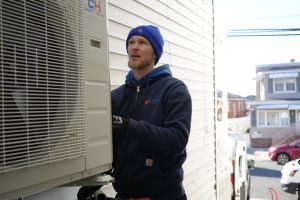
Why Choose Platinum HVAC?
At Platinum HVAC, we specialize in providing high-quality services for commercial HVAC systems in Monmouth County. Whether you need regular maintenance, emergency repairs, or a complete system replacement, our team of certified professionals is here to help. We understand the unique needs of commercial properties and offer tailored solutions to ensure your HVAC system operates efficiently and lasts as long as possible.
For expert advice and services, including commercial HVAC company Monmouth County services, reach out to Platinum HVAC today. We’ll help you make informed decisions about your HVAC system’s maintenance and replacement, ensuring your business remains comfortable year-round.
Conclusion
A commercial HVAC system is a significant investment, and understanding its lifespan is essential for managing its care and planning for eventual replacement. Most systems last between 15 to 25 years, but factors like quality, maintenance, and usage can affect how long your system lasts. Regular maintenance, including professional inspections and timely repairs, can extend the lifespan of your HVAC system and help prevent costly downtime.
If you’re looking for expert guidance and services, contact Platinum HVAC, a trusted commercial HVAC company Monmouth County. Our team is ready to assist with maintenance, repairs, and replacements, ensuring your system operates efficiently for years to come.