Heating and cooling systems are essential for maintaining a comfortable indoor environment, regardless of the season. Whether you’re trying to keep your home warm during the winter or cool during the summer, your HVAC (Heating, Ventilation, and Air Conditioning) system plays a vital role. But how exactly do these systems work? In this article, we’ll explore the science behind heating and cooling, the different types of systems available, and how they operate to keep your indoor space comfortable year-round.
If you’re a homeowner or business owner in Jersey City and need professional services, heating and cooling Jersey City, NJ from Platinum HVAC offers expert installation, maintenance, and repairs to keep your system running smoothly.
The Basics of Heating and Cooling
At its core, an HVAC system is designed to regulate the temperature, humidity, and air quality of your indoor space. These systems work by transferring heat—either into or out of your home—to maintain a comfortable environment. Understanding how heating and cooling work starts with knowing the basic principles behind them:
- Heat Transfer: Heating and cooling systems rely on the principle of heat transfer, which means moving heat from one place to another. In the winter, heating systems transfer heat into your home to raise the temperature, while in the summer, cooling systems remove heat from the indoor air to cool it down.
- Air Circulation: HVAC systems circulate air throughout your home or building using a network of ducts and fans. This circulation helps distribute warm or cool air evenly, ensuring that every room stays comfortable.
- Thermostat Control: The thermostat acts as the control center for your HVAC system, allowing you to set the desired temperature. When the indoor temperature deviates from the set point, the system kicks in to either heat or cool the air until the desired temperature is reached.
Now, let’s take a closer look at how the heating and cooling functions work individually.
How Heating Systems Work
The goal of a heating system is to raise the indoor temperature by generating or transferring heat. There are several types of heating systems, each with its own method for producing heat, but most residential systems fall into one of the following categories:
1. Furnaces
Furnaces are one of the most common types of heating systems. They work by burning fuel—such as natural gas, propane, oil, or electricity—to generate heat. This heat is then distributed throughout your home via a network of ducts and vents.
- How It Works: A furnace draws air into the system through a return duct. The air is then passed over a heat exchanger, where it is heated by the burning fuel. Once the air is warm, it is circulated back into the home through the supply ducts.
- Efficiency: Modern furnaces are highly efficient and come in a variety of models, including those with multi-stage heating for better energy savings.
2. Heat Pumps
Heat pumps are a versatile option for both heating and cooling. Rather than generating heat by burning fuel, a heat pump transfers heat from the outside air or ground into your home. In warmer months, the process can be reversed to remove heat from the indoor air and cool your home.
- How It Works: In heating mode, the heat pump extracts heat from the outside air or ground using a refrigerant. This heat is then compressed and transferred into your home to raise the temperature.
- Efficiency: Heat pumps are highly energy-efficient, especially in moderate climates, because they don’t generate heat—they move it. However, they may require a supplemental heat source in colder climates where outdoor temperatures drop significantly.
3. Boilers
Boilers use water or steam to heat your home, distributing warmth through radiators or underfloor heating systems. Boilers are common in older homes and can be powered by natural gas, oil, or electricity.
- How It Works: A boiler heats water, turning it into steam or hot water. This heated water or steam is then circulated through pipes to radiators or underfloor systems, which release heat into the room.
- Efficiency: Modern boilers are more efficient than older models, and hydronic (water-based) systems can provide even, consistent heating.
If you’re unsure which heating system is best for your home, consulting with professionals for heating and cooling Jersey City, NJ services from Platinum HVAC can help you make the right choice for your comfort and energy efficiency needs.
How Cooling Systems Work
Cooling systems, on the other hand, are designed to remove heat from your indoor air, lowering the temperature and creating a more comfortable environment. Here’s how common cooling systems work:
1. Central Air Conditioners
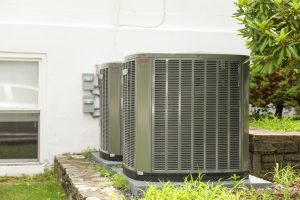
Central air conditioners are widely used in homes and businesses to cool large spaces efficiently. They work by removing heat from the indoor air and releasing it outside, leaving behind cooler air.
- How It Works: The air conditioning system draws warm indoor air into the system and passes it over a refrigerant-filled evaporator coil. As the refrigerant absorbs heat, it turns from a liquid into a gas. The system then pumps the refrigerant gas to the outdoor condenser unit, where the heat is released, and the refrigerant returns to a liquid state. The cooled air is circulated back into your home through the ductwork.
- Efficiency: Central air conditioners are effective for cooling large spaces and can be paired with furnaces or heat pumps to provide year-round comfort.
2. Ductless Mini-Split Systems
Ductless mini-split systems are an energy-efficient alternative to central air conditioning, particularly for homes without ductwork. They provide zoned cooling, meaning you can cool specific rooms or areas without wasting energy on unoccupied spaces.
- How It Works: Each indoor unit is connected to an outdoor compressor. The system works similarly to a central AC unit, using refrigerant to absorb heat from the air and release it outside. However, mini-split systems don’t require ducts and can be installed directly in the rooms you want to cool.
- Efficiency: Ductless mini-splits offer excellent energy efficiency and are ideal for homeowners looking to avoid the cost and hassle of installing ductwork.
3. Heat Pumps (Cooling Mode)
As mentioned earlier, heat pumps can also be used for cooling. In cooling mode, they work similarly to an air conditioner by extracting heat from the indoor air and releasing it outside.
- How It Works: The heat pump reverses its operation, using the refrigerant to absorb heat from the indoor air and release it outdoors. The cooled air is then circulated back into the home.
- Efficiency: Heat pumps are energy-efficient in both heating and cooling modes, making them a popular choice for year-round comfort.
For expert guidance on choosing the best cooling system for your home or business, reach out to heating and cooling Jersey City, NJ services provided by Platinum HVAC. Their team can recommend and install energy-efficient systems tailored to your specific needs.
The Importance of Regular Maintenance
Whether you’re relying on your HVAC system for heating or cooling, regular maintenance is essential for keeping your system running efficiently and extending its lifespan. Here’s why maintenance matters:
- Increased Efficiency: Regularly cleaning and maintaining your system helps it run more efficiently, reducing energy consumption and lowering utility bills.
- Fewer Breakdowns: Preventative maintenance catches small issues before they turn into major problems, reducing the risk of unexpected breakdowns.
- Longer Lifespan: Well-maintained systems tend to last longer, saving you money on replacements.
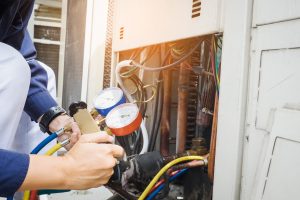
Scheduling professional maintenance services, such as tune-ups and inspections, is crucial for keeping your HVAC system in top shape. If you’re looking for reliable maintenance services, contact heating and cooling Jersey City, NJ experts at Platinum HVAC.
Heating and cooling systems work by transferring heat either into or out of your home to maintain a comfortable temperature year-round. Whether you’re using a furnace, heat pump, air conditioner, or ductless system, understanding how your HVAC system works can help you make informed decisions about maintenance, upgrades, and repairs.
For homeowners and businesses in Jersey City, heating and cooling Jersey City, NJ services from Platinum HVAC offer expert installation, repair, and maintenance solutions to ensure your system runs efficiently and effectively. Don’t wait for an issue to arise—schedule a service today and keep your home or business comfortable no matter the season.
Contact Platinum HVAC today for all your heating and cooling Jersey City, NJ needs and ensure your system is ready to perform at its best!